
Choosing the Right Oak for Interior Staircases and Beams

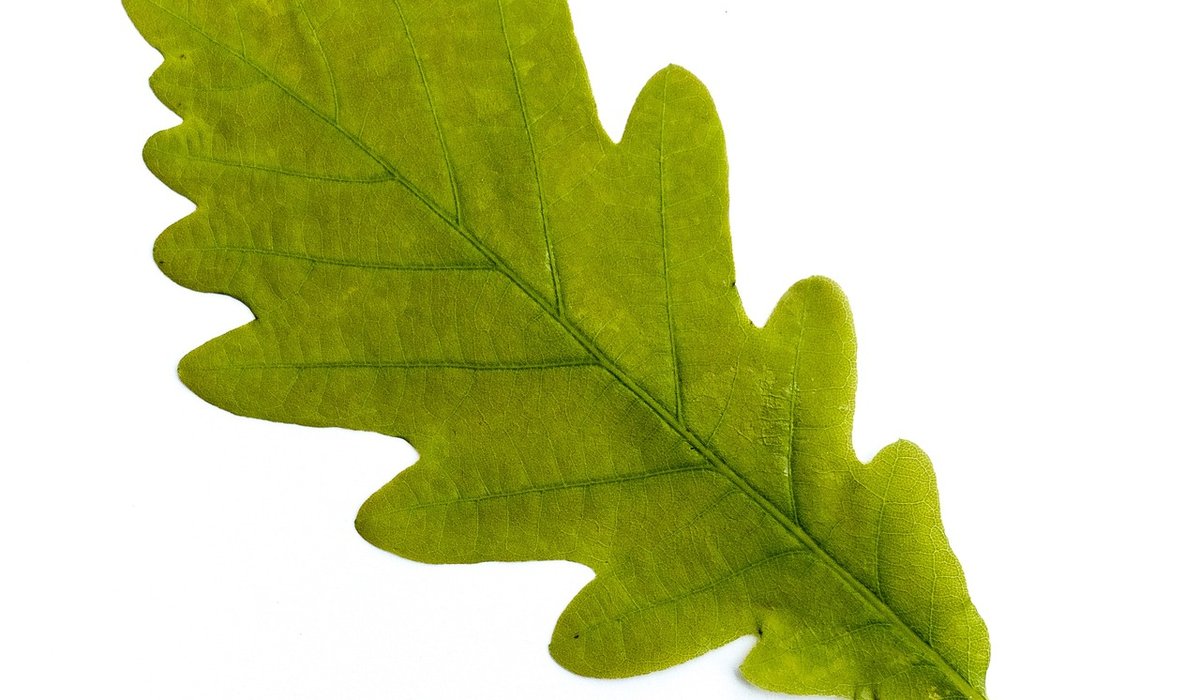
Why Oak Still Sets the Standard
Walk into almost any period property in Britain and there is a decent chance oak is holding it together. It is the timber homeowners ask for by name, and for good reason: it is hard, stable once dried, takes a finish beautifully and ages into that warm honey patina nothing else quite replicates. For stair treads, handrails and exposed beams, oak offers the combination of structural honesty and visual warmth that suits everything from a Victorian terrace to a modern barn conversion.
But "oak" is not a single material. The two families you will encounter most often in UK joinery are European oak and American oak, and the differences between them — and between the grades within each — matter enormously once you are specifying stair components and beams that will be seen and touched every day.
European Oak versus American Oak
European oak (Quercus robur and Quercus petraea) is the traditional choice in British joinery. It tends to be a rich golden-brown, sometimes with a subtle greenish cast when freshly cut that settles and warms as it oxidises. The grain is often lively, with pronounced medullary rays when quarter-sawn and plenty of natural figure in the boards.
American white oak is generally paler, with a slightly pinkish or grey-brown tone and a more uniform, tighter grain. American red oak is warmer and more open-pored, but it is far less common in UK stair work because it stains unevenly and can look a little brash against period interiors.
- Colour: European oak is warmer and more variable; American white oak is paler and more consistent.
- Grain: European oak shows more character and rays; American white oak is tighter and calmer.
- Durability: Both are hard, dense hardwoods with similar Janka ratings (roughly 1,300–1,360 lbf), so for interior stairs and beams there is no meaningful difference in wear resistance.
- Availability: European oak is more readily available in the large sections needed for solid beams and wide treads.
Understanding Grades for Stair Treads
Grading is where most projects go right or wrong. Stair treads carry weight, take constant footfall and are viewed from directly above, so the grade you choose has to balance appearance with structural reliability.
- Prime or Select grade: Minimal knots, long clean lengths, uniform colour. Ideal for handrails and visible stringers where a flawless look is wanted.
- Character grade: Allows knots, some sapwood and natural variation. Excellent for treads in rustic or period settings, provided knots are sound and not near the nosing.
- Rustic grade: More knots, colour variation and occasional filled defects. Best kept to less prominent areas or for a deliberately informal look.
For treads, insist on timber that is quarter-sawn or rift-sawn where possible. These cuts are far more dimensionally stable, which matters when a tread is fixed at one end and floating at the other. A flat-sawn tread can cup or twist over a heating season, and no amount of careful fitting will hide a 3mm gap under a nosing.
Handrails, Spindles and the Grain Question
Handrails are handled constantly, so the grain needs to run cleanly along the length without short grain or knots that could weaken a turned section. A Prime or Select grade European oak is worth the premium here, particularly for continuous handrails that curve around a landing.
For spindles and balusters, straight-grained stock is essential. A knot in the middle of a turned spindle is a weak point waiting to fail, and it also looks wrong. American white oak works well for painted or limed schemes where a calmer grain is desirable, while European oak suits oiled and waxed finishes that showcase figure.
Exposed Beams: Character Over Cleanliness
Beams are different. Here, character is usually the point. An exposed oak beam with a few tight knots, some subtle shakes and a bit of colour variation reads as authentic; a flawless beam can look suspiciously new.
For structural beams, the priority is section size and moisture content rather than cosmetic grade. Air-dried or kiln-dried oak to around 10–14% moisture content is typical for internal beams, and it should be allowed to acclimatise on site for at least a week before fixing. If you are boxing in steel or creating a non-structural feature beam, you have far more freedom to choose character-grade timber with dramatic grain.
- Solid oak beams suit spans where the timber can be seen and celebrated.
- Boxed or engineered beams give you the look with greater stability and less weight.
- For ceilings where height is tight, a shallower engineered section finished in character oak often works best.
Practical Specification Notes
Whatever you choose, a few rules keep oak performing as it should. Acclimatise all timber in the room where it will live for at least five to seven days. Keep stair joinery away from underfloor heating zones unless the design accounts for movement. Finish treads with a hard-wax oil or a matt lacquer rather than a high-gloss varnish — oiled oak offers better grip underfoot and is far easier to spot-repair.
Insist on FSC or PEFC certified timber, ask for the moisture content in writing, and view a sample board of the actual grade before the order is placed. Photographs and website swatches flatter oak; a physical sample tells the truth.
Get those details right and an oak staircase or beamed ceiling will reward you for decades — ageing gracefully, taking knocks in its stride and quietly becoming the best-loved feature in the house.

Joeby Ragpa
This template is so awesome. I didn’t expect so many features inside. E-commerce pages are very useful, you can launch your online store in few seconds. I will rate 5 stars.
ReplyAlexander Samokhin
This template is so awesome. I didn’t expect so many features inside. E-commerce pages are very useful, you can launch your online store in few seconds. I will rate 5 stars.
ReplyChris Root
This template is so awesome. I didn’t expect so many features inside. E-commerce pages are very useful, you can launch your online store in few seconds. I will rate 5 stars.
Reply