
The Psychology of Slots: Why We Chase the Spin

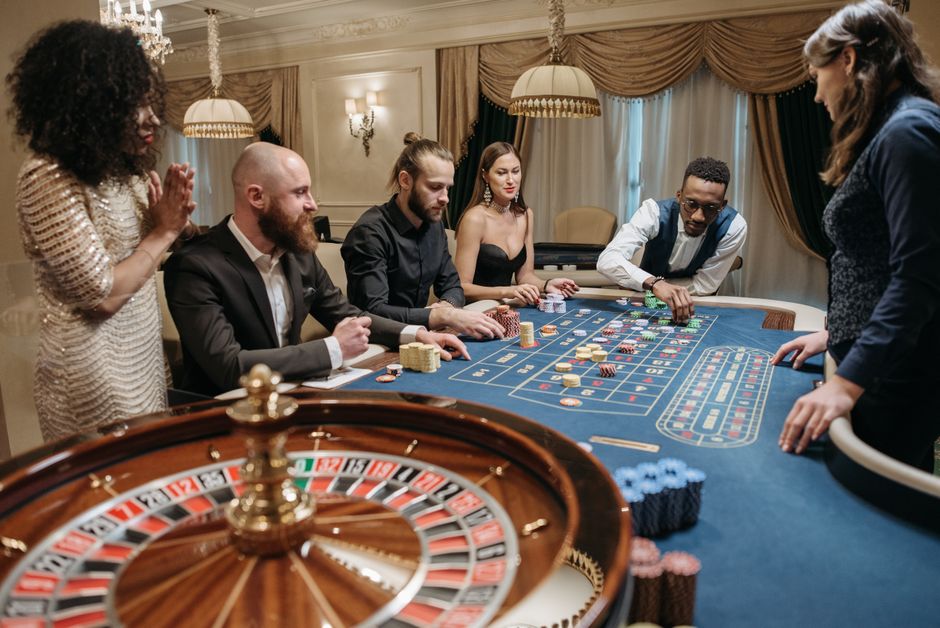
You've been there. The reels are spinning, your heart rate is up, and you're one symbol away from a massive payout. The lights flash, the sounds crescendo, and even though you know the odds are against you, you can't help but hit that button one more time. This isn't just about luck or money—it's a carefully engineered psychological experience. In this article, we'll dive deep into the mental mechanics behind slots, casino games, and sports betting, and why even the most rational among us fall for the thrill.
The Seductive Loop of Variable Rewards
B.F. Skinner's research on operant conditioning laid the groundwork for understanding why slot machines are so addictive. The key is variable ratio reinforcement—rewards given after an unpredictable number of responses. Unlike a vending machine, where you get a snack every time you insert money, a slot machine might pay out after 10 spins, then 200, then 5. This unpredictability creates a powerful dopamine loop in the brain. Dopamine isn't just about pleasure; it's about anticipation. When you pull the lever or press the spin button, your brain releases dopamine not knowing if you'll win, and that 'maybe' is more compelling than a guaranteed win.
Consider this: A 2010 study by researchers at the University of Waterloo found that problem gamblers show greater dopamine release in anticipation of a reward compared to non-gamblers. The near-miss effect—where two out of three symbols line up—activates the same reward pathways as an actual win. Casinos exploit this by designing games where near-misses are frequent, keeping players engaged and optimistic.
Lights, Sounds, and the Illusion of Control
Walk into any casino, and you're bombarded by sensory stimuli. Slot machines are the undisputed champions of this. Flashing lights, celebratory jingles, and the rhythmic clinking of coins (now digitized) are all designed to trigger excitement. But there's more: the illusion of control. Players often believe they can influence the outcome by stopping the reels at the right moment or choosing a 'hot' machine. In reality, slots are governed by random number generators (RNGs), but the perceived control keeps you invested.
Slot designers also use losses disguised as wins. When you bet $1 and win $0.80, the machine still plays a winning sound and animation, even though you've actually lost money. This confusion blurs the line between winning and losing, making it harder to track your actual spending. A 2017 study in Journal of Gambling Studies showed that these 'losses disguised as wins' activate reward centers in the brain, reinforcing continued play.
Poker: A Different Beast
Unlike slots, poker is a game of skill. Yet the psychology is equally fascinating. Here, it's not about random rewards but about social validation, competition, and the thrill of outsmarting opponents. The best poker players are masters of emotional regulation—they know that tilt (emotional decision-making) can destroy their bankroll. The rise of online poker brought new dynamics: anonymity, multi-tabling, and tracking software. But the core remains: reading people, managing risk, and exploiting psychological weaknesses. Further details are available through king88a.bid.
One key concept in poker is results-oriented thinking—judging a decision by its outcome rather than its merit. A bad beat (losing despite having the best hand) can lead to tilt, while a lucky win can reinforce bad habits. Pros focus on expected value (EV) and long-term results. For casual players, the social aspect and the dream of a big score often override rational bankroll management.
Sports Betting: The Illusion of Expertise
Sports betting adds another layer: the belief that knowledge of the game gives you an edge. While some bettors do have an edge, most overestimate their predictive abilities. The favorite-longshot bias—where bettors overvalue longshots and undervalue favorites—is a well-documented phenomenon. Bookmakers capitalize on this by setting odds that ensure a profit margin. The recent explosion of in-play betting and micro-bets has made it even more impulsive, with bets placed in seconds based on fleeting emotions.
The House Edge: Math You Can't Beat
Every casino game has a house edge—a mathematical advantage that ensures the casino profits over time. For slots, it can range from 2% to 15%, depending on the game. In American roulette, it's 5.26%; in blackjack with perfect strategy, it's about 0.5%. Poker is different because you play against other players, not the house (except for the rake). But the house edge is relentless. Over millions of spins, the casino always wins. This doesn't mean you can't win in a session—variance ensures that—but the long-term math is unforgiving.
Understanding the house edge is crucial for responsible gambling. It's not about beating the system; it's about managing your bankroll and recognizing that the odds are stacked against you. The gambler's fallacy—believing that a machine is 'due' for a win—is a common trap. Each spin is independent, and past results don't influence future outcomes.
Responsible Gambling: Knowing When to Stop
Given all these psychological hooks, it's no wonder that gambling can become problematic. The key to staying in control is setting limits before you play. Here are some practical tips:
- Set a budget: Decide how much you're willing to lose and stick to it. Never chase losses.
- Time limits: Set an alarm to avoid losing track of time. Slots are designed to keep you playing.
- Don't gamble under the influence: Alcohol and stress impair judgment.
- Use tools: Many online casinos offer deposit limits, self-exclusion, and reality checks.
- Seek help: If gambling stops being fun, organizations like the National Council on Problem Gambling can help.
Remember, gambling is entertainment, not a way to make money. The odds are designed for the house to win. If you're playing for the thrill, that's fine—but know the risks.
The Future of iGaming Psychology
As technology evolves, so do the psychological tricks. Virtual reality casinos, skill-based slots, and AI-driven personalized offers are on the horizon. These innovations will blur the lines between gambling and video games, potentially increasing engagement and risk. Regulators are playing catch-up, but ultimately, the responsibility falls on the player to stay informed and self-aware.
So next time you spin the reels, ask yourself: Are you playing for fun, or is the game playing you? The house always has an edge, but you can edge back by understanding the psychology behind the spin.

Joeby Ragpa
This template is so awesome. I didn’t expect so many features inside. E-commerce pages are very useful, you can launch your online store in few seconds. I will rate 5 stars.
ReplyAlexander Samokhin
This template is so awesome. I didn’t expect so many features inside. E-commerce pages are very useful, you can launch your online store in few seconds. I will rate 5 stars.
ReplyChris Root
This template is so awesome. I didn’t expect so many features inside. E-commerce pages are very useful, you can launch your online store in few seconds. I will rate 5 stars.
Reply